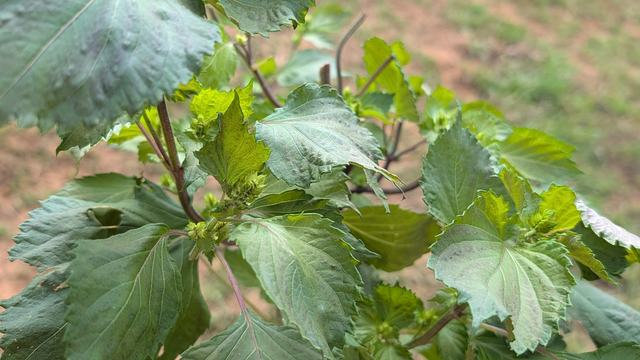
Perilla mint (Perilla frutescens), also called beefsteak plant or purple mint, is flowering and setting seed across much of the Southeast. That is when it is most dangerous to cattle.
All parts of the plant are toxic. The flowers and seeds are the worst. Cattle that eat it can develop atypical interstitial pneumonia. Many animals are found dead before anyone sees them struggling to breathe. Treatment rarely saves a severe case. The plant can stay toxic in hay.
It likes shade: fence rows, woods edges, creek banks, and around barns and hay rings. Cattle usually leave it alone when they have plenty of grass. They eat it when forage is short, pastures are overgrazed, or they are standing in the shade on a hot day.
Look for a square stem, toothed leaves that are green or purple, and a strong mint smell when you crush a leaf. Plants are usually 1–3 feet tall with spikes of small white or purple flowers.
Purple-leaved plants are easy to spot once you know the look, however, green plants are just as toxic.
How it poisons cattle
The plant contains perilla ketone and related compounds. After a cow eats it, those compounds are absorbed from the gut into the blood and travel to the lungs. In the lungs they are converted into an even more toxic form that damages the cells lining the air sacs.
What to do this week
Walk the shady spots and fence lines. If you find it, keep cattle off that area if you can. Do not cut it into hay. Keep forage in front of the herd so they are not forced to browse weeds. Broadleaf herbicides work well earlier in the season; late-season control is harder and the plant is already at peak toxicity.
NC State Extension's mission is to extend research-based knowledge from NC State University and N.C. A&T State University to all North Carolinians, transforming science into everyday solutions that improve lives, grow the state's economy, and enrich communities. Seth Nagy is the Caldwell County Extension director. The Caldwell County Extension Center is located at 120 Hospital Ave. NE #1 in Lenoir.