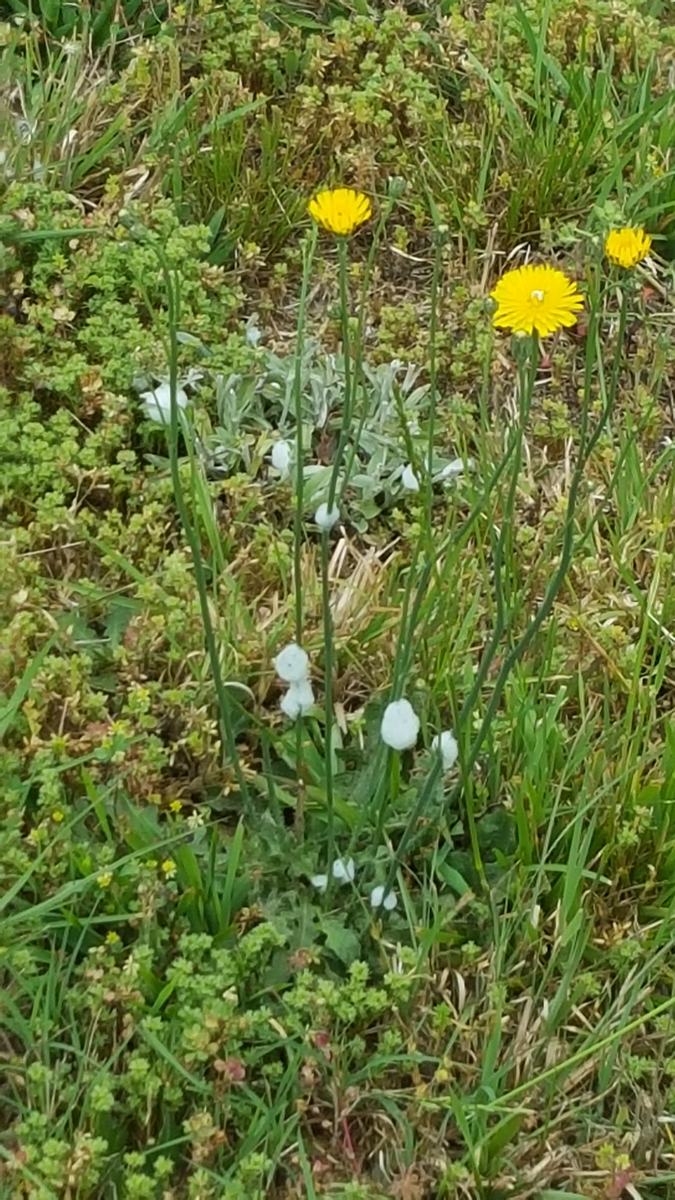
Q: What is causing the foamy stuff on these dandelion weeds?
A: This is caused by spittlebug nymphs. These bugs can be found on many different weeds. Later in the season, it is not unusual to see these bugs on bunch grapes, muscadines grapes, and Leyland cypress.
The foamy spittle is produced by the nymph stage of the two-lined spittlebug. The insect makes the foamy mass by excreting honeydew and mixing it with air.
This foam also keeps the developing nymph from drying out and offers protection from predators. This nymphal stage lasts about a month. The nymphs will transform into adults. The adults look similar to leafhoppers, about 1/3 of an inch long. They are black in color with two small red lines and red eyes. After the adults mate, the females lay eggs. These hatch next spring, starting the cycle over again. No need to treat spittlebugs, a water hose can wash them off the plant.
Q: Something is getting my chickens. All I find are feathers. What is getting them?
A: When the entire bird is missing I think of dogs, coyotes, or foxes as the culprit. Fencing should help. However, chickens raised outside are an attractive meal to many predators (hawks, owls, raccoons, opossums, skunks, house cats, snakes, bobcats, and weasels).
Birds that are moved regularly in a chicken tractor or portable housing device can be protected from ground predators by portable electric poultry fence. This is sold as “PoultryNet” and comes in lengths of 164 and 82 feet. For this to be effective at deterring predators, the fence must be electrified with a fence charger. Solar energizers can effectively power the fence and help with the portability.
Predators can be a major issue for poultry housed outside. For more information, visit this website.
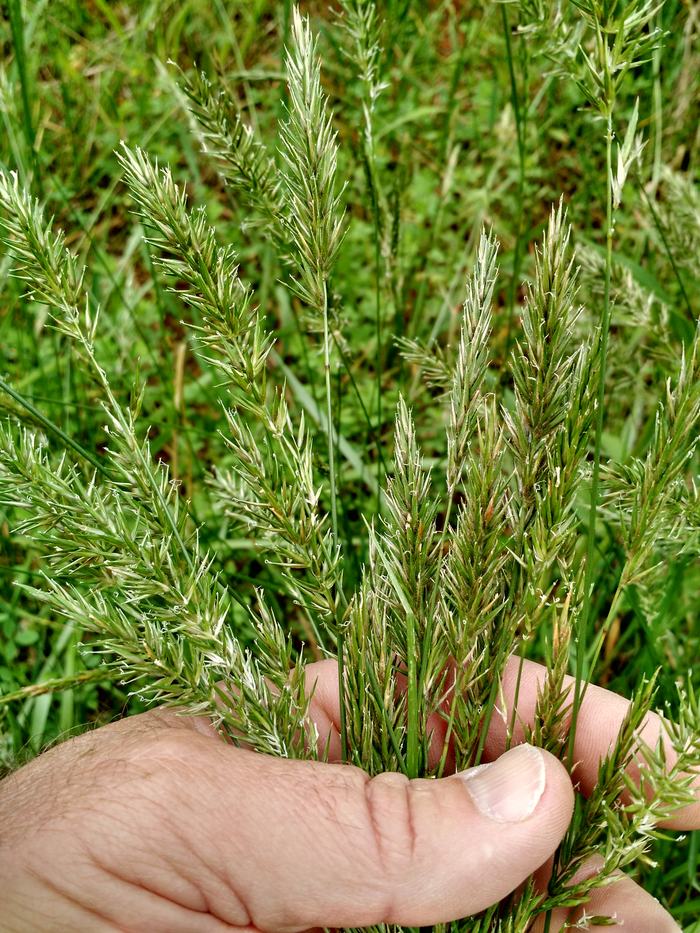
Q: What is this grass? It seems to be everywhere this year. And how do I control it?
A: This is called sweet vernal grass or sometimes, vanilla grass. It has a sweet odor especially when dry.
However, many people have allergies to its pollen.
This weedy grass does seem to be more abundant this year than in recent years. When it is found in lawns, hayfields, or pastures a soil test should be taken. There is often a lack of nutrients, especially lime, when this begins showing up.
As always, for answers to your agricultural questions, call the Caldwell County Extension Center at 828-757-1290, or visit us online anytime at caldwell.ces.ncsu.edu.