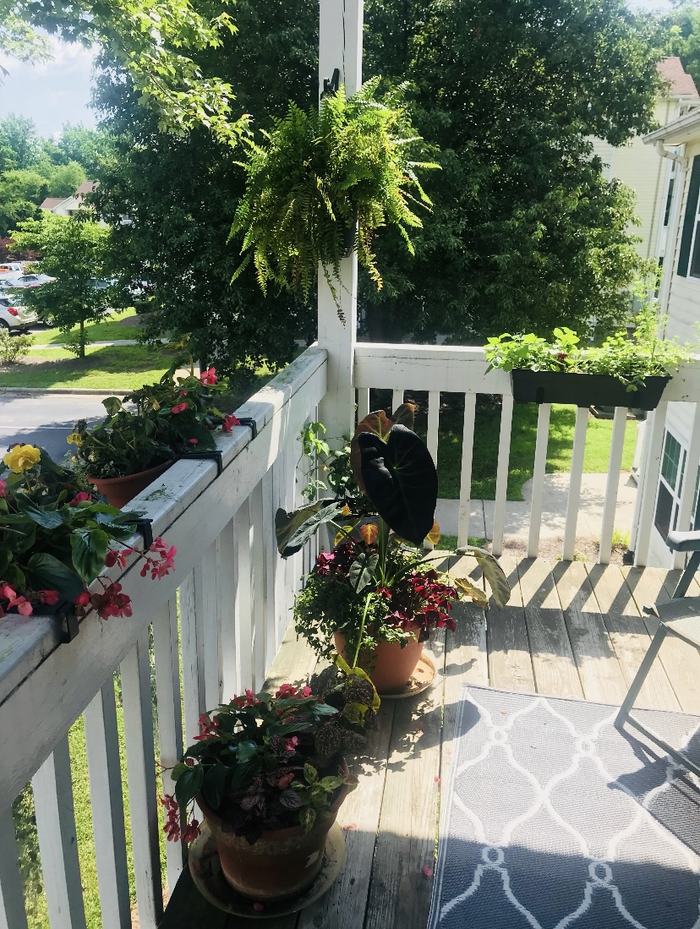
Container gardening is a great option for many reasons. You can turn your front porch, back deck, sunroom, etc. into a producing garden. Container gardening allows you to create special gardens to fit any situation. Selecting the right containers, planting media, and planting combinations are the first steps in creating a successful garden.
Selecting a Container
Almost any type of container will work as long as it has drainage holes. Keep in mind that wood, clay, and unglazed ceramic containers will lose moisture more quickly and will require more frequent watering than plastic, metal, fiberglass, or glazed pots. This is also true for small or dark-colored containers. This is your chance to get creative! What can you use around your house that could be upcycled as your next container?
Selecting Plants
Most vegetables and herbs will do well in containers but your cucumbers, squash, and tomatoes are heavy feeders that will require extra nutrients compared to your vegetables. Most shallow-rooted plants are suitable for containers.
Selecting Pots and Plants with Design in Mind
Plants can be grouped in containers based on:- Harvesting time—spring, summer, or fall crops
- Form—round, horizontal, oval, upright, or trailing
- Size—small plants in front and underneath and large plants above and behind
- Texture—coarse (stout stems, large leaves, big fruit), medium, or fine (dainty leaves, wispy stems, tiny flowers).
- Color—of flowers, leaves, or fruit
- Ingredients for favorite recipes to create a themed garden—Mexican, Italian, Mediterranean, or Asian
Design Tips
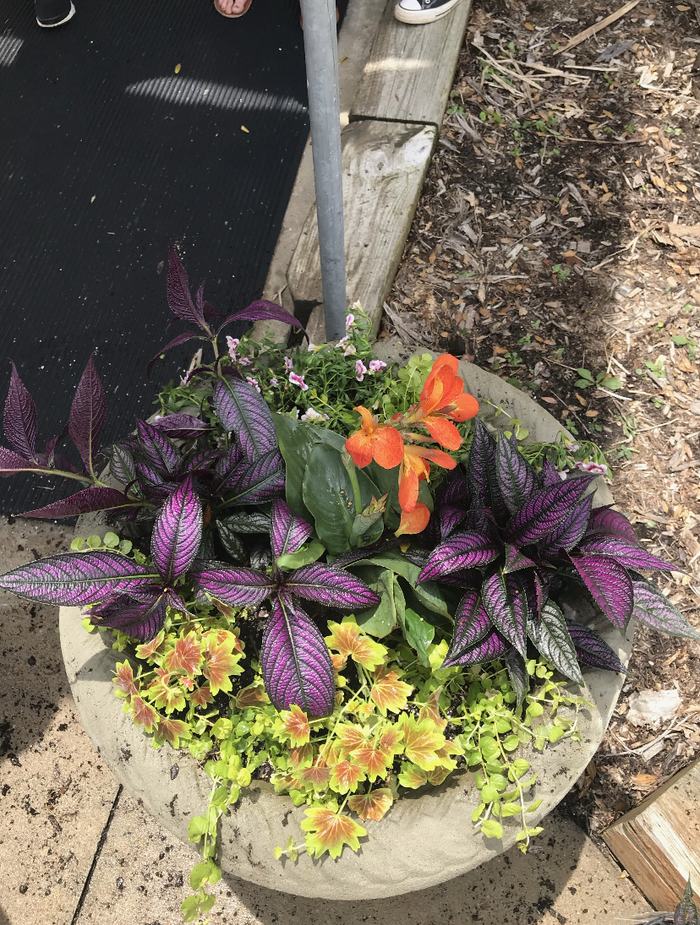
If you are wanting to design a container garden for aesthetics, keep in mind these three things. You’ll need plants that are spillers, thrillers, and fillers;
Spillers hang over the edge of the container. Common spillers are sweet potato vine and wave petunia.
Thrillers are erect-type plants that you often will plant in the middle or towards the back of your container. Thrillers add drama and interest. Examples of thrillers are purple fountain grass, coleus, and other texture-type plants.
Fillers are what you “fill” the space between your spillers and thrillers. These plants are usually round, sometimes erect, type plants. Examples of fillers are impatiens, marigolds, dusty miller, zinnia, and other popular annuals.